
Culinary Preferences, Comfort Food, and Viral Food Debates: Which Soup Would You Skip?
Introduction
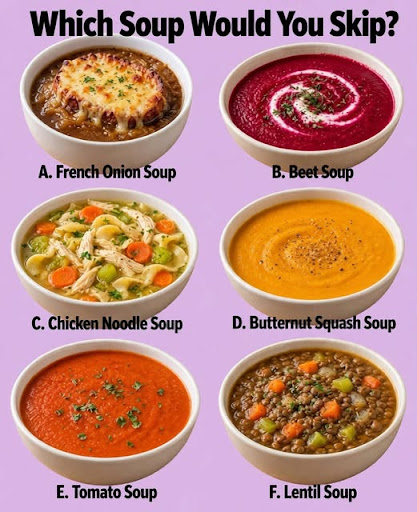
In the digital age, social media feeds are constantly flooded with viral food polls, culinary choices, and engaging interactive questions designed to catch the eye. When users scroll past a colorful graphic asking them to choose which soup they would skip among six popular options—French Onion, Beet, Chicken Noodle, Butternut Squash, Tomato, and Lentil—it naturally sparks immediate friendly debate, culinary opinions, and online discussion.
Understanding why food preference polls capture such widespread attention requires exploring the intersection of culinary culture, consumer habits, critical thinking, and practical life management. Furthermore, navigating the fast-paced modern digital landscape makes it equally important to maintain grounded life management skills, including financial planning, insurance protection, and personal security. In this comprehensive guide, we examine the mechanics of food polls, the psychology of culinary preferences, critical media evaluation, and essential household management strategies.
The Reality of Culinary Traditions and Flavor Profiles
Comfort foods like soup hold a special place in global culinary traditions, offering warmth, nourishment, and diverse flavor profiles across different cultures.
- Understanding Soup Diversity and Personal Taste
From the rich, cheese-topped comfort of French Onion soup to the earthy sweetness of Beet soup or the classic warmth of Chicken Noodle, every dish evokes distinct personal memories and taste preferences. Viral social media polls frequently highlight these subjective culinary choices, turning everyday meals into fascinating subjects of online debate and community engagement.
2. The Power of Interactive Food Content
Content that asks simple, engaging questions taps into our natural desire to share personal opinions and connect with others, driving high rates of user comments, votes, and shares.
Financial Planning, Household Management, and Long-Term Stability
While exploring food trivia and culinary polls offers a fun peek into everyday preferences, maintaining long-term stability in the physical world requires grounded practical planning and disciplined financial management.
Key Financial Principles for Household Security:
Build an Emergency Fund: Maintaining liquid savings covering three to six months of essential living expenses provides an indispensable financial safety net during unexpected life transitions.

Manage Debt Responsibly: Keeping high-interest credit card balances and short-term debt under control preserves monthly cash flow and reduces daily financial stress.

Review Insurance Policies: Ensuring comprehensive health, property, liability, and auto insurance safeguards your household against unforeseen liabilities and emergencies.

Consult Certified Financial Advisors: Working with professional planners helps align short-term savings goals with long-term investment strategies and retirement security.
Practical Media Literacy and Critical Thinking Online
With millions of interactive polls, food trends, and viral engagement posts circulating across social media platforms daily, practicing robust media literacy is essential.
Practical Tips for Analyzing Online Content:
Recognize Engagement Formats: Understand that social media food polls are designed primarily for recreational interaction and community fun rather than formal culinary critique.

Consider the Source: Evaluate whether online posts are shared to spark friendly conversations or casual digital entertainment.

Maintain Healthy Skepticism: Approach subjective preference posts with a balanced, lighthearted perspective.

Engage Mindfully: Enjoy digital community discussions as a source of fun connection while keeping a grounded understanding of online media culture.
Fascinating Facts About Soups and Culinary History
The Global History of Soup: Soup is one of the oldest prepared foods in human history, evolving from ancient broths cooked in gourds and clay pots to sophisticated culinary staples worldwide.

The Psychology of Food Choices: Personal aversions and preferences regarding food are deeply influenced by childhood memories, cultural background, and sensory experiences.

Viral Reach of Food Polls: Content focused on everyday food debates consistently generates high engagement because virtually every reader has a personal favorite or a dish they dislike.
Conclusion
Viral food polls and soup preference debates remind us how much fun it is to share personal opinions and connect over everyday topics. What starts as a simple question about which soup to skip highlights our shared appreciation for diverse culinary traditions. By balancing lighthearted digital entertainment with strong critical thinking, media literacy, and grounded financial planning, individuals can navigate both the virtual world and everyday life with clarity, resilience, and confidence.
Frequently Asked Questions (FAQ)
Why do food preference polls become so popular on social media?
They are quick to read, highly relatable, and invite users to share their personal tastes, sparking friendly debates in the comments.
What factors influence whether someone likes a specific type of soup?
Personal preferences are shaped by flavor profiles, cultural background, dietary needs, and texture expectations.
How can users practice media literacy with viral social media polls?
Users should recognize that viral polling graphics are created for recreational engagement, maintaining a fun and lighthearted approach to online discussions.
Why is long-term financial planning important for household management?
Proactive financial planning—such as maintaining emergency savings, securing proper insurance, and managing debt—protects households against unexpected economic shocks and ensures long-term stability.
